2026 Top Orthopaedic Electrical Stimulation Device Types

Orthopaedic electrical stimulation devices are becoming more focused, measurable, and clinically integrated in 2026. These technologies support bone healing, muscle activation, pain management, and rehabilitation after injury or surgery. The term orthopaedic electrical stimulation device covers several categories, including electrical bone growth stimulators, neuromuscular electrical stimulation systems, transcutaneous electrical nerve stimulation units, and pulsed electromagnetic field devices. Each type uses different signals, treatment goals, and clinical evidence.

A bone growth stimulator may deliver targeted stimulation near a fracture or fusion site. A neuromuscular system can activate weakened quadriceps muscles after knee surgery. TENS devices often support short-term pain relief through surface electrodes and adjustable current levels. Pulsed electromagnetic field systems use changing magnetic fields without direct skin contact. Small differences matter. Electrode placement, treatment duration, tissue condition, and patient tolerance can change the result.

This 2026 overview compares leading orthopaedic electrical stimulation device types through practical clinical criteria. These include intended use, operating mechanism, patient comfort, portability, safety controls, and supporting research. Medical professionals should assess device quality, regulatory status, contraindications, and manufacturer transparency before making recommendations. Patients also need realistic expectations. Stimulation is not a replacement for fixation, surgery, physiotherapy, or supervised rehabilitation when those treatments are necessary.

The market is advancing quickly, but not every new feature proves better outcomes. That deserves caution. Some claims remain difficult to compare because studies use different protocols and patient groups. A reliable evaluation should combine published evidence, clinical experience, device specifications, and individual treatment needs. This approach helps identify the most suitable device type, rather than simply choosing the newest model.
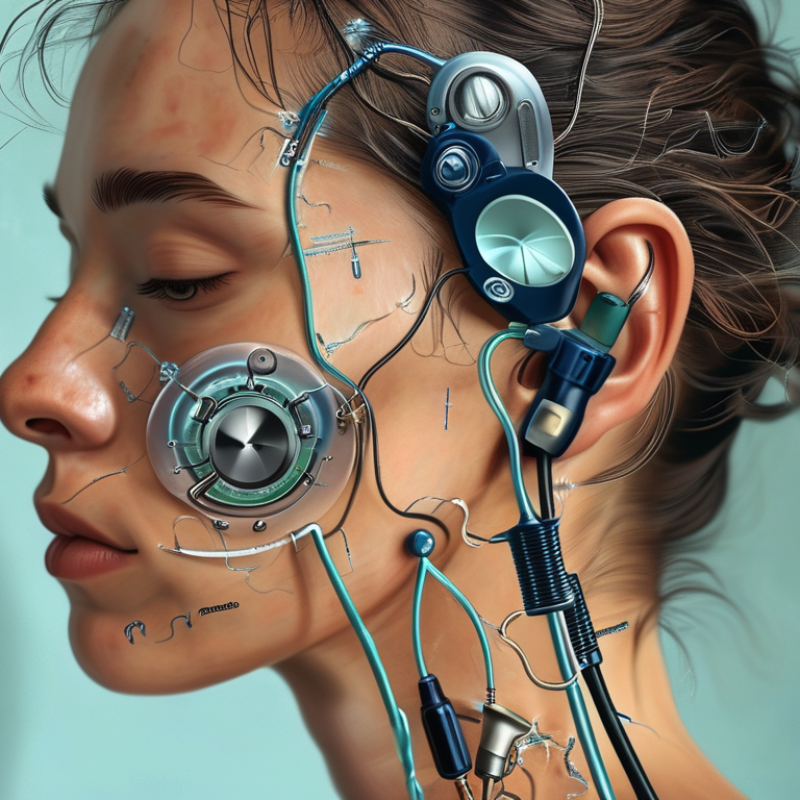
2026 Top Orthopaedic Electrical Stimulation Device Types

What Are Orthopaedic Electrical Stimulation Devices?

Orthopaedic electrical stimulation devices are medical tools that deliver controlled electrical signals to targeted tissues. They are designed to support rehabilitation, pain management, or bone healing. Small electrodes usually rest on the skin near the treatment area. The device then sends carefully measured pulses.

Common types include bone growth stimulators, neuromuscular electrical stimulation devices, and transcutaneous electrical nerve stimulation units. Bone growth stimulators may support healing after certain fractures or surgical procedures.

Neuromuscular devices create gentle muscle contractions, which can help reduce weakness during recovery. Transcutaneous stimulation may help manage some pain sensations. These categories can overlap.

A clinician should select the device according to the injury, healing stage, and patient history.

In clinical practice, correct placement matters. A healthcare professional may inspect the skin, surgical site, sensation, and muscle response before recommending treatment. Published evidence supports some applications, yet results vary between patients. Some people notice gradual improvement. Others notice little change. That uncertainty matters. Electrical stimulation is not a replacement for exercise, surgery, or professional assessment.

Tips:
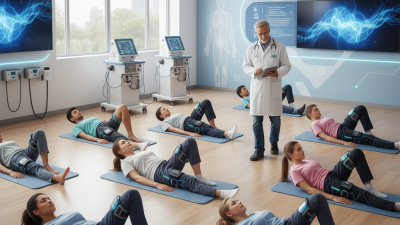
  • Ask what the device is intended to treat.
  • Confirm session length and electrode placement.
  • Keep the skin clean and dry.
  • Follow the prescribed settings.
  • Stop if severe pain, burns, dizziness, or unusual swelling occurs.
  • Do not use a device without medical guidance when implanted electronic equipment or reduced sensation is present.

How Electrical Stimulation Supports Bone, Muscle, and Nerve Recovery

2026 Top Orthopaedic Electrical Stimulation Device Types

How Electrical Stimulation Supports Bone, Muscle, and Nerve Recovery

Orthopaedic electrical stimulation devices increasingly target three recovery needs: bone growth, muscle activation, and nerve comfort. Bone stimulators may use pulsed electromagnetic fields, capacitive coupling, or low-intensity direct current. They deliver controlled signals near a fracture site. The International Osteoporosis Foundation reports that one in three women and one in five men over 50 may experience an osteoporotic fracture. This creates strong clinical interest in non-invasive support, although stimulation cannot replace surgical stability or adequate nutrition.

Muscle recovery often uses neuromuscular electrical stimulation, or NMES. Small electrodes placed on the thigh can produce visible contractions during rehabilitation. NMES may help limit weakness after immobilisation and support retraining. TENS devices use different patterns, usually aiming to reduce pain signals rather than build strength. The World Health Organization estimates that 1.71 billion people live with musculoskeletal conditions worldwide. Nerve recovery remains less predictable. Stimulation can support movement practice, but damaged nerves need time, guided therapy, and careful assessment.

Evidence is not perfectly consistent. Cochrane reviews have noted uncertainty across several electrical stimulation applications, especially when studies use different protocols. That matters. A stronger current is not automatically better. Clinicians should match waveform, intensity, placement, and treatment time to the patient’s diagnosis. Practical experience also shows a common problem: electrodes shift during movement, changing the delivered signal. Device selection therefore needs professional supervision, documented outcomes, and honest review of failed sessions.

Main Types: TENS, NMES, FES, and Bone Growth Stimulators

2026 Top Orthopaedic Electrical Stimulation Device Types

Orthopaedic electrical stimulation devices support different rehabilitation goals. The main types are TENS, NMES, FES, and bone growth stimulators. Each uses controlled electrical signals, but their clinical purposes differ.

TENS mainly targets pain perception through surface electrodes placed near a painful knee, shoulder, or lower back. It may help some patients move more comfortably during therapy. Results vary, and correct placement matters. NMES activates weakened muscles, often after surgery or prolonged immobilization. A visible contraction may appear in the quadriceps. Clinicians usually adjust intensity gradually, based on tolerance and muscle response.

FES also stimulates muscles, but it links the signal to a functional action. For example, timed stimulation may assist foot lifting during walking. Bone growth stimulators use low-intensity signals to support bone healing in selected cases. Their use depends on the injury, healing progress, and medical assessment. The categories overlap more than simple charts suggest. A device that looks advanced may still be unsuitable for a specific patient. Skin condition, sensation, implanted electronics, and surgical history require careful review. Evidence is not equally strong for every application, so treatment plans should rely on clinical evaluation, documented outcomes, and regular adjustment. Placement can be surprisingly important. A small electrode shift may change comfort and muscle response.

Key Differences in Uses, Waveforms, and Treatment Settings

2026 Top Orthopaedic Electrical Stimulation Device Types

Key Differences in Uses, Waveforms, and Treatment Settings

Orthopaedic electrical stimulation devices differ by their target tissue, waveform, and clinical purpose. TENS usually delivers short, biphasic pulses through surface electrodes. It aims to reduce pain signals during movement or rest. NMES uses stronger repeated pulses to create visible muscle contractions. Clinicians may use it after surgery, immobilization, or weakness. The result depends on electrode placement, patient tolerance, and remaining nerve function.

Bone growth stimulators use low-intensity electrical or electromagnetic signals near a fracture site. Their settings are not designed to produce a strong muscle contraction. Treatment may involve daily sessions while the patient rests. In contrast, NMES often uses adjustable frequency, pulse width, ramp time, and duty cycle. A slow ramp can feel less abrupt. A longer rest period may reduce fatigue.

Settings should match the diagnosis and treatment stage. A therapist may begin with low intensity, then increase it until a useful contraction appears. Pain, swelling, skin sensitivity, and surgical instructions can change that plan. Device labels alone cannot determine the correct protocol. Real treatment is less tidy. Some patients respond unevenly, and electrode placement may need repeated adjustment. Evidence also varies among conditions, so clinicians should review healing progress rather than assume every waveform works equally well.

Safety Factors and Device Selection in 2026

2026 Top Orthopaedic Electrical Stimulation Device Types

Safety Factors and Device Selection in 2026

Orthopaedic electrical stimulation devices generally support pain control, muscle activation, or bone healing. Common types include TENS units, neuromuscular stimulators, and bone growth stimulators. Each serves a different clinical purpose. A device for post-surgical muscle weakness should not be chosen like one for chronic pain. In practice, the treatment goal matters more than the number of settings. Clear instructions matter too.

Safety begins with patient screening. Clinicians should review implanted electronic devices, pregnancy status, seizure history, reduced skin sensation, and recent surgery. Electrodes should sit on clean, intact skin, away from open wounds unless specifically directed. Start with conservative intensity. Watch for burning, unusual pain, dizziness, or persistent redness. Stop when symptoms appear.

Fit the device to the patient.

Selection should also consider waveform, electrode size, battery design, data records, and training support. A compact unit may help adherence, but portability cannot replace accurate placement. Home users need simple controls and written guidance. Professional supervision remains valuable during the first sessions. Regulatory clearance and documented clinical evidence provide stronger assurance than promotional claims. Still, a neat checklist can miss real-world problems, such as poor electrode contact or a patient increasing intensity too quickly. I have found that small usability details often influence safety more than impressive technical specifications.

2026 Top Orthopaedic Electrical Stimulation Device Types - Safety Factors and Device Selection in 2026

Device type Primary orthopaedic use Typical stimulation characteristics Potential benefits Key safety factors Selection considerations for 2026
Transcutaneous Electrical Nerve Stimulation (TENS) Short-term symptomatic relief for musculoskeletal pain, including some postoperative, joint, and soft-tissue pain conditions. Surface electrodes deliver low-voltage pulsed current. Conventional settings commonly use higher frequencies with sensory-level intensity, while low-frequency settings may produce stronger tingling or muscle response. May reduce pain perception and support participation in exercise or rehabilitation. It does not directly repair bone or replace definitive treatment. Do not place electrodes across the front of the neck, over the head, through the chest, or across broken or infected skin. Use caution with impaired sensation, seizure disorders, pregnancy, and implanted electronic devices. Choose adjustable intensity, secure electrode leads, clear contraindication labeling, skin-contact monitoring, and a protocol that complements—not replaces—diagnosis and rehabilitation.
Neuromuscular Electrical Stimulation (NMES) Muscle re-education, prevention or reduction of disuse weakness, and support for strength recovery after immobilization or orthopaedic surgery. Surface stimulation is adjusted to create visible, functional muscle contraction. Treatment commonly uses repeated work-rest cycles to limit fatigue. Can help activate inhibited muscles and may improve strength when combined with active exercise and progressive rehabilitation. Avoid excessive intensity, poor electrode placement, or prolonged sessions that may cause pain, skin injury, or muscle fatigue. Protect healing tissues and follow postoperative loading restrictions. Prioritize independent channel control, programmable ramp and rest times, current limits, lockout functions, and compatibility with the patient’s surgical and rehabilitation plan.
Functional Electrical Stimulation (FES) Assistance with functional movements such as gait, foot clearance, grasp, or joint control when selected peripheral nerves and muscles remain electrically excitable. Timed stimulation is synchronized with movement using switches, sensors, or programmable triggers. It generally requires precise electrode placement. May improve task practice, movement quality, and motor retraining in appropriately selected patients. Assess sensation, circulation, joint stability, spasticity, skin integrity, and fall risk. Avoid use over unstable fractures or where contraction could disrupt healing structures. Select systems with reliable motion sensing, adjustable timing, emergency shutoff, clinician programming, and documented training requirements.
Non-invasive Electrical Bone Growth Stimulation Adjunctive management of selected nonunions, delayed unions, and certain fracture-healing situations under specialist supervision. Uses externally applied pulsed electrical or electromagnetic fields. Waveform, intensity, treatment duration, and daily schedule vary by device and indication. May provide a non-invasive adjunct when biological or mechanical healing is inadequate, but it does not correct instability, infection, malalignment, or inadequate fixation. Confirm the diagnosis and mechanical stability first. Keep treatment away from damaged skin, follow placement instructions, and assess compatibility with implanted electronic devices and other active implants. Evaluate indication-specific clinical evidence, prescribed treatment time, fit over casts or braces, adherence tracking, output verification, and follow-up imaging requirements.
Implantable Electrical Bone Growth Stimulation Selected high-risk fracture-healing or fusion procedures when an implantable approach is clinically justified by the treating specialist. An implanted electrode and generator deliver localized stimulation at or near the treatment site; surgical technique and device-specific programming apply. Provides stimulation at the target site without relying on daily external electrode placement. Carries surgical risks, including infection, bleeding, tissue injury, device migration, and revision. Require strict implant follow-up and assessment of interactions with other implanted systems. Consider only when the expected benefit justifies implantation. Review battery life, MRI conditions, surgical workflow, explant requirements, and long-term monitoring.
Percutaneous Electrical Stimulation Specialist-guided stimulation using needle or percutaneous electrodes for selected pain, motor-control, or rehabilitation applications. Electrical current is delivered through electrodes that pass through the skin, allowing more targeted stimulation than standard surface pads. May improve access to deeper or more specific neural or muscular targets when surface stimulation is insufficient. Requires trained clinicians, sterile or aseptic technique as appropriate, bleeding-risk assessment, infection control, and careful avoidance of vulnerable anatomical structures. Check clinician qualifications, electrode sterility, disposable-component controls, anatomical guidance, adverse-event procedures, and patient monitoring during treatment.
Microcurrent Electrical Stimulation Adjunctive use in selected rehabilitation or wound-care programs; evidence and indications vary by clinical application. Delivers very low-amplitude current, often below the level of obvious muscle contraction, through surface electrodes. May be considered as a supportive modality, but clinical outcomes depend strongly on the condition, protocol, and overall treatment plan. Use intact skin, inspect the treatment area before and after use, and apply the same general precautions concerning implanted electronic devices and sensitive anatomical locations. Require indication-specific evidence, accurate low-current output, stable electrode contact, treatment logging, and clear separation between established indications and investigational use.
Combination TENS/NMES Rehabilitation Systems Programs that need both pain modulation and muscle activation during staged orthopaedic rehabilitation. One unit may provide separate or sequential stimulation programs with different intensity, pulse duration, frequency, and work-rest settings. Can reduce the need for multiple devices and support a coordinated home-exercise plan when appropriately prescribed. Incorrect program selection can produce inadequate treatment, excessive pain, fatigue, or unwanted contraction. Users need clear instructions and clinician oversight. Look for program lockout, user-specific profiles, rechargeable-battery safety, electrode-quality checks, simple interfaces, and secure data handling for remote monitoring.
General selection and safety note: Electrical stimulation should be selected according to the diagnosis, treatment goal, healing stage, skin condition, sensation, circulation, implant status, and prescribed rehabilitation plan. It should not be used to delay evaluation of suspected infection, hardware failure, unstable fracture, neurovascular compromise, or worsening postoperative symptoms. Always follow the device instructions and qualified clinical guidance.