Best Elbow Brace Tips for Pain Relief and Injury Prevention?
Elbow pain can disrupt daily activities. An effective solution is the use of an Elbow Brace. Dr. Emily Carter, a renowned orthopedic specialist, emphasizes, “A well-fitted elbow brace can prevent injuries and provide essential support.”
Choosing the right elbow brace requires understanding your specific needs. Many options exist, from neoprene sleeves to rigid braces. Designers aim to balance support and comfort, but not every brace will suit your lifestyle. It's essential to assess the fit. A brace that’s too tight can restrict circulation; one that’s too loose may not provide adequate support.
While elbow braces offer many benefits, learning to use them effectively is key. Some users report feeling discomfort after prolonged use. Listening to your body is crucial. If you experience pain, it may be time to adjust your approach. Always consult with a healthcare provider before starting any new treatment, including the use of an elbow brace.
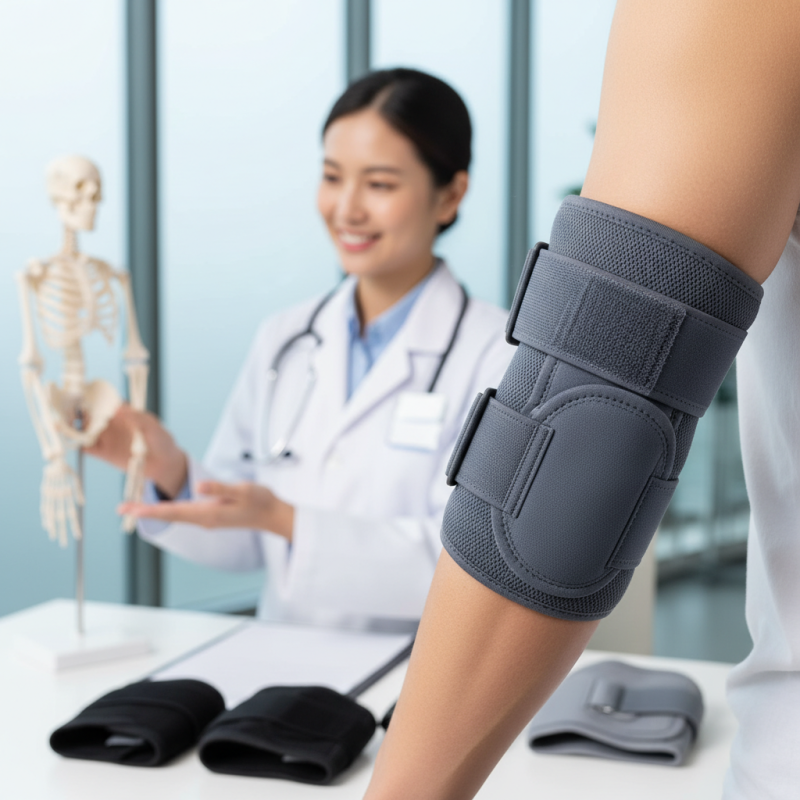
Understanding Elbow Pain: Common Causes and Symptoms
Elbow pain can stem from various causes. Common issues include tendinitis, bursitis, and arthritis. Tendinitis often occurs in athletes. Repetitive movements lead to inflammation. Bursitis involves swelling of small fluid-filled sacs. Arthritis can arise from age or injury. Each condition presents unique symptoms worth understanding.
Symptoms of elbow pain vary greatly. Many feel a sharp or dull ache. Stiffness often accompanies this discomfort. Swelling and redness may also occur. Daily activities, like lifting or gripping, can become painful. Ignoring these symptoms can lead to worse problems over time.
Understanding the underlying issues is essential. Knowing the signs helps in early intervention. Consider seeking advice from a medical professional. They can offer personalized guidance for managing pain. A proactive approach can prevent injuries. You may need to reflect on your daily habits. Adjusting techniques or strengthening exercises could be beneficial.
Choosing the Right Elbow Brace for Your Needs
When choosing the right elbow brace, consider the specific issues you face. Understand whether you need support for pain relief or injury prevention. A proper fit is crucial. Measure your arm circumference and ensure the brace isn't too tight or loose. A snug fit provides better stability, but excessive pressure can lead to discomfort.
Materials can impact comfort significantly. Look for breathable, moisture-wicking fabrics. These will help keep your skin dry and reduce irritation during usage. Also, think about the level of support you require. Some braces offer mild support, while others provide rigid stabilization. Evaluate your activity level; if you engage in sports, a higher level of support might be necessary.
Lastly, reflect on your personal experience. Each individual's needs are unique. You might find that a particular style doesn’t suit you, or a specific feature is less effective than expected. It’s essential to try different options. Pay attention to how different braces feel when worn. Adjust based on what works best for you.
Tips for Proper Use and Adjustment of Elbow Braces
When using an elbow brace, proper adjustment is crucial for effective pain relief and injury prevention. Start by positioning the brace snugly around your elbow. It should not be too tight, as this can cut off circulation. Check for comfort; you should still be able to move your arm slightly. Slide your fingers under the brace to ensure it is secure yet comfortable.
Adjustment is just as important as fit. Spend some time walking around with the brace on. If it slips or feels awkward, make small adjustments. Sometimes, a simple shift of a strap can make a noticeable difference. Be mindful of any discomfort; it can indicate that the brace needs readjusting.
Using an elbow brace for extended periods can lead to dependency. It's vital to regularly assess how your elbow feels both with and without the brace. Listening to your body is key. While the brace offers support, reinforced strength from exercises is equally important. Maintain a balance between using the brace and engaging in physical therapy or strengthening exercises for the best results.
Exercises and Stretches to Enhance Elbow Health
Maintaining elbow health involves dedicated exercises and stretches. These movements can enhance flexibility and strengthen surrounding muscles. A few simple wrist flexor stretches can do wonders. Just extend your arm, palm facing up, and gently pull back on your fingers. Hold for about 20 seconds. This helps alleviate tension in the area.
Incorporating strengthening exercises is equally important. Try gentle wrist curls using a light weight. This not only supports your elbow but also fortifies your forearm muscles. Make sure you’re not overdoing it. Listen to your body, and adjust as necessary to avoid strain. Consistency in your routine will yield positive results over time.
In addition to stretches and exercises, consider how posture affects elbow health. Poor alignment may lead to discomfort. Be mindful of your daily habits, particularly during repetitive tasks. A strong body awareness can help you avoid potential injuries. Stay focused on form and gradual progression. That’s the key to a healthy elbow.
When to Seek Professional Help for Elbow Issues
When experiencing elbow pain, understanding when to seek professional help is crucial. According to the American Academy of Orthopaedic Surgeons, persistent pain that lasts longer than a few weeks can indicate a more serious problem. If the pain interferes with daily activities, a visit to a healthcare provider is strongly advised. Early intervention can prevent chronic issues and more complex treatments in the future.
In addition, swelling, bruising, or any visible deformity of the elbow should never be ignored. The American Orthopaedic Society for Sports Medicine highlights that such symptoms might indicate fractures or tendon tears. It is essential to get these injuries evaluated promptly. Individuals engaging in repetitive activities, like tennis or golf, should also be mindful. While home remedies may provide temporary relief, professional assessment can guide recovery and help avoid future injuries.
Knowing when to ask for help is vital. While some injuries may seem minor, they can lead to long-term damage if overlooked. A thorough evaluation by a specialist ensures that any underlying conditions are addressed effectively. High-quality imaging, such as MRI, may be recommended to understand the injury better. Taking these steps can lead to a safer return to activity and overall improved elbow health.
Best Elbow Brace Tips for Pain Relief and Injury Prevention
This chart displays the effectiveness rating (on a scale of 1 to 10) of various elbow brace features. Compression and pain relief are highly rated, indicating their importance in alleviating discomfort and promoting recovery. Stability and comfort are also essential for overall effectiveness in injury prevention.