How to Choose the Best Single Flat Sheet for Your Bed?
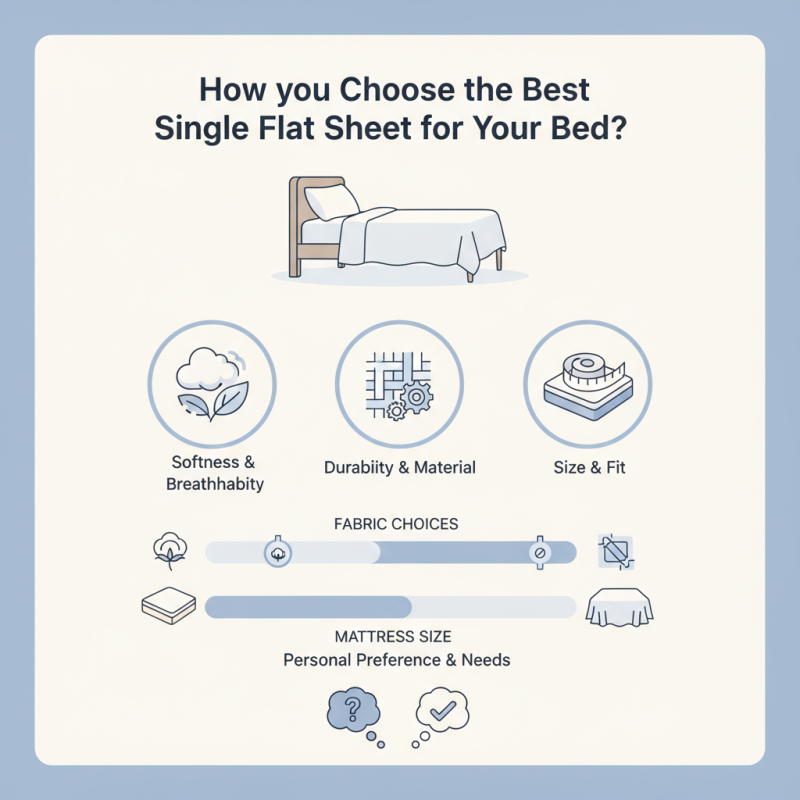
Choosing the right single flat sheet for your bed can profoundly impact your sleep quality. A good flat sheet should be soft, breathable, and durable. The market offers a range of options, but not all sheets are created equal.
Consider the fabric. Cotton is a popular choice due to its comfort and breathability. However, synthetic materials may offer better durability and stain resistance. You must weigh the pros and cons of each fabric type.
The sheet's size also matters. Ensure that your chosen single flat sheet fits well on your mattress. An ill-fitting sheet can lead to discomfort and disrupt your sleep. Remember, the ideal single flat sheet should cater to your personal preferences and needs. Making the right choice may require some reflection.
Understanding the Importance of Choosing the Right Flat Sheet
Choosing the right flat sheet for your bed is crucial. A good quality flat sheet ensures comfort and enhances your sleep quality. According to industry reports, about 30% of people report better sleep with high-quality bedding. The materials matter a lot. Cotton, for example, remains a favorite due to its breathability. However, many overlook the thread count. It's not just about the number. Subpar thread counts can lead to rough textures, affecting your comfort.
Tips: Always consider the weight of the fabric. Heavier sheets tend to be more durable but may feel warm. So if you sleep hot, go for lighter options. Pay attention to your sleeping position too. Side sleepers might prefer softer materials, while back sleepers can opt for firmer textures.
Many buyers also ignore color and design. An aesthetically pleasing sheet can enhance your room decor. But remember, washing and fade resistance are key. A beautiful flat sheet that loses its color quickly can be frustrating. Don't let looks be the only deciding factor. Reflect on how each choice affects your bed's comfort and style.
Comparison of Single Flat Sheet Materials
Evaluating Material Options for Flat Sheets: Cotton, Linen, and More
Choosing the right material for your flat sheet can be challenging. Cotton is a popular choice. It feels soft against your skin. It breathes well and is durable. You’ll find various options like percale and sateen. Percale is crisp and cool, while sateen is smooth and silky.
Linen is another excellent choice. It’s made from flax and has a unique texture. Linen is highly breathable and gets softer with every wash. However, it can feel a bit rough initially. This might not suit everyone. The relaxed nature of linen adds character to your bedding.
There are other materials to consider too. Bamboo fabric is eco-friendly and soft. Tencel blends moisture-wicking properties with a silky feel. Yet, these options can sometimes lack the warmth of cotton. Reflect on your needs. What do you prioritize: comfort, durability, or environmental impact? Making an informed choice involves balancing these factors.
Determining the Appropriate Size for Your Bed Mattress
When choosing a single flat sheet, size is crucial. The right fit ensures comfort and prevents slipping. A flat sheet should match the dimensions of your mattress perfectly. According to the Sleep Foundation, a standard twin mattress measures 39” x 75”, while a queen is sized at 60” x 80”. Many overlook the importance of measuring their mattress before buying sheets.
Tips: Always measure your mattress! Don’t assume the size. Remember that mattress depth varies too. A deeper mattress may require larger or specially designed sheets.
Flat sheets should hang over the sides of the mattress. This design enhances the aesthetic and provides ease during use. For example, a sheet intended for a twin mattress should ideally be 66” x 96”. However, some sheets come in non-standard sizes, leading to a poor fit. This can be frustrating and uncomfortable, as excess fabric bunches up or too little fabric leaves cold spots.
Consider your sleeping style. If you toss and turn, a tighter fit around the edges can help. Many don’t realize that fabric elasticity can also affect fit. Sheets made from certain materials will stretch more or less. Choosing a high-quality, durable fabric might be worth the investment, even if it costs more upfront.
Considering Thread Count: What It Means for Your Comfort
When it comes to choosing a single flat sheet for your bed, thread count plays a crucial role. Thread count refers to the number of threads woven into one square inch of fabric. Many believe that higher thread count guarantees better comfort. However, this is not always true. A recent study by the American Textile Manufacturers Institute suggests an optimal range is between 300 to 500. Beyond this, the benefits may diminish, as the quality of the fibers becomes more important than the quantity.
The feel of a flat sheet can also depend on the type of material used. Cotton, for example, is a popular choice. Egyptian cotton offers a luxurious touch due to its longer fibers. However, it’s essential to consider your personal comfort. Some may find that a lower thread count in a softer cotton feels better than a higher count made from rougher materials. Balancing thread count with fiber quality will lead to a more satisfying sleep experience.
Moreover, be cautious of misleading advertising. Some manufacturers inflate thread counts using multi-ply yarns, which can lead to confusion. Not all high thread count sheets are created equal. Engaging with fabric in person, when possible, can guide your choice. Remember to prioritize your unique preferences and sleeping habits. Finding the right balance takes time, but it's worth your effort for better sleep.
How to Choose the Best Single Flat Sheet for Your Bed? - Considering Thread Count: What It Means for Your Comfort
| Thread Count | Material | Comfort Level | Durability | Price Range |
| 200 | Cotton | Moderate | Fair | $20 - $30 |
| 300 | Percale Cotton | Soft | Good | $35 - $50 |
| 400 | Sateen Cotton | Very Soft | Excellent | $50 - $70 |
| 600 | Bamboo | Ultra Soft | High | $70 - $90 |
| 800 | Egyptian Cotton | Luxurious | Very High | $90 - $120 |
Selecting Colors and Patterns: Aesthetic Tips for Your Bedroom Design
Selecting colors and patterns for your bedroom design can significantly influence your mood and relaxation. Research shows that colors can affect our emotions. For example, blue tones evoke calmness, while vibrant reds stimulate energy. Opting for soft pastels or rich jewel tones can create a distinct ambiance. Consider your personal style too. If bold colors overwhelm you, choose muted shades.
Patterns also play a crucial role in your bedroom aesthetic. Floral prints may add a touch of romance, while geometric designs can convey modern sophistication. According to design surveys, 70% of people prefer a mix of patterns in their bedding when aligned with wall colors. However, staying balanced is important. Too many patterns can create chaos and confusion. Aim for harmony by combining a bold print with a more subdued tone.
Incorporating textures can enhance visual interest. A smooth flat sheet complements the warmth of a textured duvet. Layering different materials can create depth. Remember that your choices should reflect your personality. Creating the perfect space can be a journey of trial and error. Don’t shy away from experimenting until you find what feels right. It’s about your comfort and enjoyment in the space you create.