Top Handheld Gas Monitor for Safety and Efficiency in Industry?
In today's industrial landscape, safety and efficiency are paramount. A reliable Handheld Gas Monitor is essential for protecting workers and ensuring compliance with safety regulations. These devices are critical for detecting harmful gases in various environments, from construction sites to manufacturing facilities.
Comfort in knowing your workplace is safe comes from using a quality gas monitor. However, the market is flooded with options, making it challenging to choose the right one. A good Handheld Gas Monitor should be durable, user-friendly, and offer accurate readings. Users often reflect on the importance of training and regular maintenance to maximize the effectiveness of these devices.
Selecting the best gas monitor requires thoughtful consideration of specific needs and environments. Sometimes, an over-reliance on high-tech features can lead to complacency. Users need to remember that technology should enhance vigilance, not replace it. Regular checks and preparation can prevent dangerous situations before they arise.
Importance of Handheld Gas Monitors in Industrial Safety
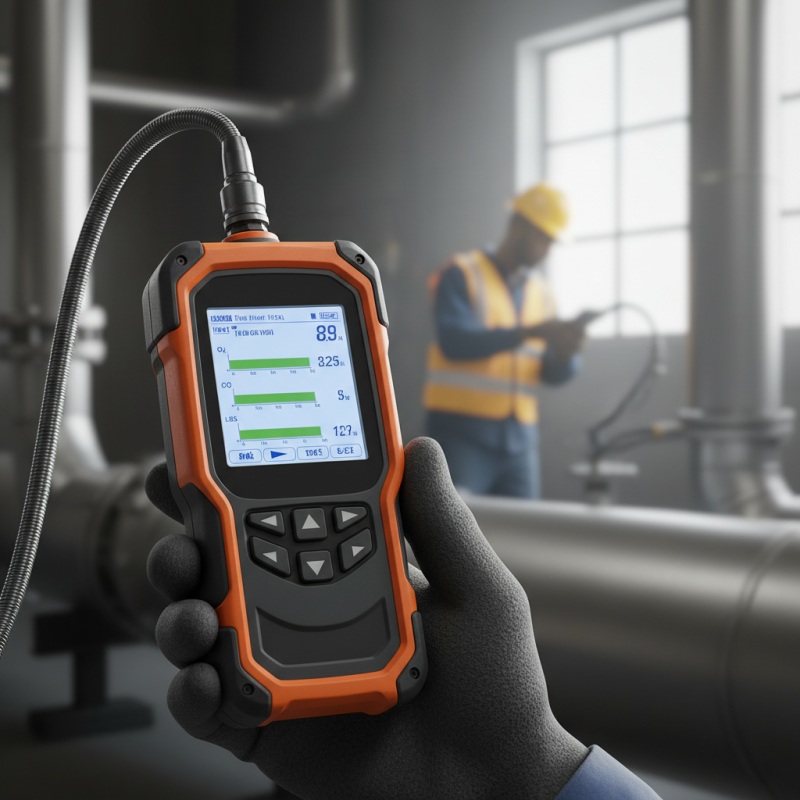
The importance of handheld gas monitors cannot be overstated in industrial environments. According to a report by the International Safety Equipment Association (ISEA), effective gas detection can reduce workplace accidents by up to 40%. Industries such as oil and gas, manufacturing, and mining rely heavily on these devices to ensure worker safety.
Handheld gas monitors quickly detect hazardous gases like methane or carbon monoxide. These tools alert workers to dangerous levels of exposure. The National Institute for Occupational Safety and Health (NIOSH) states that more than 400 deaths occur annually due to gas exposure in the workplace. Timely detection is vital, as many gases can be colorless and odorless, leaving workers unaware of potential danger.
Regular use of gas monitors goes beyond compliance. It fosters a culture of safety and vigilance. Awareness of gas hazards can lead to better safety protocols. While some industries still underestimate the need for these devices, the data clearly shows the urgent need for their use. Emphasizing training alongside equipment use can enhance their effectiveness, ensuring that workers are not only equipped but also knowledgeable about gas risks.
Top Handheld Gas Monitor for Safety and Efficiency in Industry
| Feature | Description | Importance |
| Real-time Detection | Continuous monitoring of hazardous gases. | Helps to prevent exposure and accidents. |
| Portability | Compact design for easy transportation. | Facilitates use in various locations. |
| Multi-gas Capability | Ability to detect multiple gases simultaneously. | Increases safety by monitoring more than one hazard. |
| User-Friendly Interface | Intuitive controls and display. | Allows for quick operation by non-experts. |
| Calibration Alerts | Notifications for regular calibration needs. | Ensures accuracy and reliability of readings. |
| Durability | Built to withstand harsh industrial environments. | Long-term investment and reduced replacement costs. |
Key Features to Consider When Selecting a Handheld Gas Monitor
When selecting a handheld gas monitor, several key features are essential for ensuring safety and efficiency in various industries. Portability is crucial. Devices should be lightweight, allowing easy transportation. A compact design enhances usability in tight spaces. Moreover, battery life plays a significant role. A reliable monitor should operate for extended periods, ideally exceeding 12 hours, to minimize downtime during critical operations.
Sensitivity and detection range also matter. Many monitors can detect gas concentrations as low as parts per billion (ppb). Reports indicate that accurate detection reduces response time to gas leaks by up to 30%. Additionally, the ability to monitor multiple gases simultaneously boosts versatility. Operators often face various hazardous situations, so a comprehensive gas detection capability is vital.
Another important aspect is real-time data and alerts. This feature enhances situational awareness. Instant notifications can lead to faster decision-making. A monitor with a clear display and user-friendly interface improves efficiency. Unfortunately, not all devices meet these user needs. Operators sometimes find themselves struggling with complex systems during emergencies. Prioritizing ease of use can mitigate this issue and optimize safety in industrial settings.
Top Brands and Models of Handheld Gas Monitors for Industrial Use
Choosing the right handheld gas monitor is vital for industrial safety. Various brands offer different features to improve efficiency and protect workers. Some models come equipped with real-time data display, enabling instant analyses of gas levels. This feature provides immediate feedback, enhancing decision-making processes on-site.
While many monitors boast advanced technology, simplicity is often overlooked. Not all users are comfortable with complex devices. Easy-to-read displays and straightforward operation should be prioritized. It's crucial to find a balance between technology and user-friendliness. Sometimes, extra features can complicate things unnecessarily.
Calibration is another area worth examining. Regular checks can ensure continued accuracy. However, many overlook this maintenance step. Failing to maintain equipment can lead to dangerous situations. Understanding the importance of calibration is essential for reliability in high-risk environments. The effectiveness of a gas monitor hinges on proper upkeep and user training. Real-world scenarios illustrate both successes and lapses in safety practices.
Best Practices for Using Handheld Gas Monitors Effectively
Using handheld gas monitors is crucial for maintaining safety in various industries. These devices help detect hazardous gases, ensuring a secure work environment. Effective use of these monitors requires thorough training for all operators. Knowledge of the monitor's features, such as alarm settings and calibration, is essential. Regular maintenance checks can prevent malfunctions, but many users overlook this step.
Monitoring gas levels is not just about having the right tools. It also involves understanding the environment you operate in. Each location may present unique risks. Factors like ventilation and gas types can influence safety measures. Users often underestimate the importance of regular reassessment of risks. Each situation requires careful attention to ensure worker safety.
It is vital to document all encounters with gas monitors. Keeping a log helps identify patterns and potential failures. Additionally, involving all team members in training can enhance awareness. Engaging discussions about best practices can lead to improvements. However, there's always room for reflection on how processes can be optimized. A proactive approach helps create a culture of safety. This culture is integral for effective gas monitoring in any industrial setting.
Top Handheld Gas Monitor Usage in Industry
Regulatory Standards and Compliance for Gas Monitoring in Industries
Gas monitoring is critical in various industries. Compliance with regulatory standards ensures the safety of workers and the environment. Organizations must understand these standards to avoid fines and enhance workplace safety. Regular training and audits can keep teams updated.
Different gases have specific monitoring requirements. For instance, industries often focus on flammable and toxic gases. Each sector may have distinct guidelines to follow. Companies should check local regulations frequently. This helps avoid complacency and ensures ongoing compliance.
Tips: Train staff regularly on gas detection procedures. Ensure that all personnel understand emergency protocols. A well-prepared workforce is essential for immediate response to gas leaks. Keep monitoring equipment calibrated and maintained. Regular checks can enhance reliability. By incorporating these practices, organizations can boost both safety and efficiency.