China’s private label hair cosmetics industry has become a practical sourcing option for emerging brands, salons, and established retailers. Manufacturers now offer shampoos, conditioners, hair masks, styling products, scalp treatments, and professional color-care ranges. However, choosing a reliable supplier requires more than comparing factory prices. Product safety, formulation experience, production capacity, packaging support, and communication standards all deserve careful review.
This guide introduces ten notable Chinese suppliers associated with Private Label Hair Cosmetics. The selection considers OEM and ODM capabilities, ingredient development, manufacturing systems, customization flexibility, minimum order quantities, and export experience. Certifications such as ISO or GMP may strengthen a supplier’s credibility, but buyers should verify current documents directly. A certificate alone does not prove consistent product quality. Samples matter.
Real sourcing experience often reveals the details that websites omit. Can the supplier reproduce a sample accurately? Does the formula remain stable after heat and transport testing? Are ingredient lists, claims, and labels prepared for the target market? These questions can prevent expensive mistakes. Some companies may provide excellent formulation support but limited packaging choices. Others may offer attractive pricing yet require larger orders than new brands can manage. No supplier is perfect. This article may also need revision as factories change their facilities, certifications, and service focus. Readers should conduct independent audits, request test reports, and confirm regulatory requirements before placing an order. The right partner should combine technical knowledge, transparent communication, and dependable manufacturing performance. That combination creates a stronger foundation for long-term haircare growth.
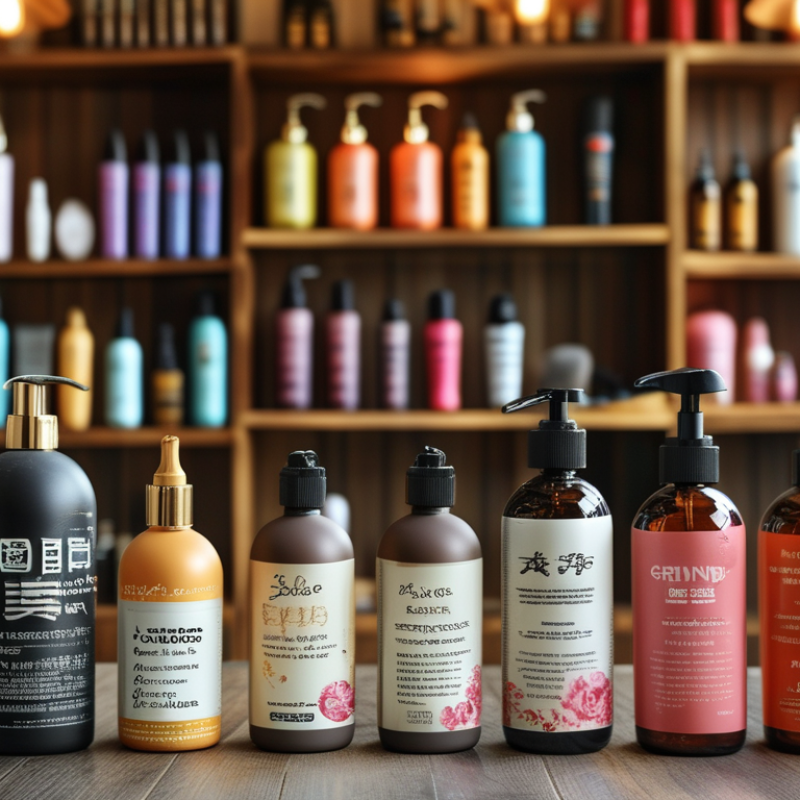
Private label hair cosmetics suppliers in China are manufacturers that produce shampoos, conditioners, masks, oils, or styling products for another company’s label. They may provide formula development, ingredient sourcing, filling, packaging, testing, and export documents. The buyer owns the market identity. The factory manages production.
According to Grand View Research, the global hair care market reached about USD 91.6 billion in 2023. Its report also expects continued growth through 2030. China remains important because its cosmetics retail sales reached RMB 393.6 billion in 2022, according to China’s National Bureau of Statistics. These figures explain the strong interest in Chinese private label production. However, low prices alone do not prove supplier quality. A reliable supplier should show factory qualifications, batch records, stability-testing results, and clear minimum order quantities. Ask for production samples. Check whether the sample matches the final packaging.
Tips: Request an ingredient list, safety documents, and a written production timeline before paying. Confirm who handles product registration in the target market. Private label work can look simple, but formula changes may affect testing, labeling, and shelf life. That part is often underestimated.
Supplier selection also requires practical judgment. A smaller order may reduce risk, yet it can increase unit costs. A large order may secure better pricing, but storage becomes a real expense. Review the contract carefully. Clarify ownership of custom formulas, packaging molds, rejected goods, and quality disputes. Reports provide useful market direction, but factory evidence matters more. Mistakes happen. Good suppliers document them and correct them.
An anonymized comparison of common Chinese private-label supplier profiles, product capabilities, order benchmarks, and compliance considerations.
| No. | Supplier Profile | Typical Product Focus | Private-Label Services | Indicative MOQ | Typical Production Lead Time | Packaging Options | Common Compliance Documentation | Best Fit for Buyers |
|---|---|---|---|---|---|---|---|---|
| 1 | Profile 01 — Full-Service Hair-Care Manufacturer | Shampoo, conditioner, hair masks, leave-in treatments, and scalp-care products | Formula development, sampling, filling, labeling, packaging, and export support | 500–3,000 units | 30–60 days after artwork and formula approval | Stock bottles, custom molds, tubes, pumps, jars, and cartons | Ingredient list, product specifications, safety data, batch records, and applicable export files | New brands seeking one-stop product development |
| 2 | Profile 02 — Professional Salon-Care Supplier | Repair treatments, bond-care products, smoothing systems, styling products, and salon-size formats | Bulk production, professional packaging, OEM filling, and customized fragrance or texture | 1,000–5,000 units | 35–65 days for standard formulas | 500 ml–5 L bottles, pump containers, refill pouches, and salon cartons | Formula specification, stability information, microbiological testing, and packaging specifications | Distributors and professional beauty wholesalers |
| 3 | Profile 03 — Natural and Botanical Formulator | Botanical shampoos, herbal scalp products, plant-oil treatments, and silicone-free hair care | Natural-ingredient selection, formula adjustment, claim support, and small-batch production | 1,000–3,000 units | 40–70 days, depending on raw-material availability | Glass, PCR plastic, aluminum, paper cartons, and minimalist label systems | Raw-material documents, allergen information, safety assessment support, and test reports | Clean-beauty and botanical product launches |
| 4 | Profile 04 — High-Volume Contract Manufacturer | Mass-market shampoo, conditioner, hair serum, hair oil, and daily-use products | Large-scale blending, automated filling, packaging procurement, and scheduled production | 10,000+ units | 45–90 days, depending on production scheduling | Standard PET, HDPE, PP, flexible pouches, shrink sleeves, and retail cartons | Quality-management records, batch testing, specifications, and production traceability | Established retailers and high-volume importers |
| 5 | Profile 05 — Premium and Luxury Hair-Care Specialist | Concentrated serums, premium masks, scalp essences, anti-frizz treatments, and gift sets | Texture development, premium fragrance matching, component sourcing, and presentation design | 1,000–5,000 units | 45–75 days after component confirmation | Decorative glass, metallic finishes, rigid boxes, magnetic closures, and custom inserts | Formula dossier, packaging compatibility testing, stability data, and quality inspection records | Prestige, boutique, and premium e-commerce brands |
| 6 | Profile 06 — Fast-Moving E-Commerce Supplier | Trend-driven hair masks, scalp scrubs, styling sprays, hair oils, and travel-size products | Ready-to-brand formulas, rapid sampling, label customization, and mixed-SKU programs | 300–2,000 units | 20–45 days for ready formulas | Stock packaging, custom labels, digital printing, sachets, and mini bottles | Product specifications, ingredient declaration, test summaries, and shipment documents | Online sellers testing products or limited seasonal collections |
| 7 | Profile 07 — Scalp-Care and Functional Formula Supplier | Clarifying shampoos, anti-oil products, exfoliating scalp treatments, and soothing formulas | Active-ingredient selection, pH adjustment, efficacy-oriented development, and batch testing | 1,000–5,000 units | 45–75 days, subject to testing requirements | Dropper bottles, treatment tubes, foaming pumps, applicator tips, and cartons | Ingredient concentration data, stability tests, safety documentation, and claim substantiation support | Brands focused on scalp health and targeted hair routines |
| 8 | Profile 08 — Sustainable Packaging and Refill Supplier | Everyday hair-care products with refill, low-plastic, recycled, or concentrated formats | Packaging engineering, refill-system development, formula filling, and material sourcing | 2,000–10,000 units | 45–80 days, depending on packaging tooling | PCR plastic, aluminum, refill pouches, paper-based packaging, and reusable containers | Material declarations, packaging specifications, product safety information, and recycling data where available | Sustainability-led brands and environmentally focused retailers |
| 9 | Profile 09 — Export-Oriented Compliance Supplier | Standard hair-care products prepared for international retail and distribution channels | Export documentation, multilingual labels, batch traceability, third-party testing coordination, and logistics support | 1,000–5,000 units | 40–75 days, excluding destination-market registration time | Internationally adaptable labels, tamper-evident packaging, cartons, and pallet-ready formats | Ingredient list, certificate of analysis, safety data, free-sale documentation where applicable, and traceability records | Importers requiring structured documentation for overseas markets |
| 10 | Profile 10 — Custom Formula and Small-Batch Studio | Specialized shampoos, personalized treatments, niche textures, and limited-edition hair products | Concept consultation, laboratory samples, formula refinement, pilot batches, and custom packaging coordination | 200–1,000 units | 30–60 days for approved formulas | Low-volume stock components, labels, tubes, jars, bottles, and short-run printed cartons | Formula records, ingredient declarations, sample test results, and production specifications | Indie brands, salons, startups, and product validation projects |