Global buyers are paying closer attention to Loquat Leaf Extract as interest grows in botanical ingredients and traditional plant research. Yet supplier selection requires more than comparing prices or polished product pages. Buyers must examine botanical identity, extraction methods, active-compound testing, batch consistency, packaging, and export documentation.
Dr. Shunying Wang, a researcher associated with loquat phytochemistry, has emphasized, “Reliable botanical quality begins with controlled raw materials and careful processing.” This principle remains practical for international purchasing. A pale powder may look acceptable, but appearance cannot confirm its identity or purity. Laboratory evidence matters.
This guide reviews ten Loquat Leaf Extract suppliers serving global buyers. It considers sourcing transparency, manufacturing capability, certificates of analysis, production scale, communication, and private-label support. Each supplier may suit a different purchasing objective. Some focus on standardized extracts. Others offer flexible minimum orders or customized specifications.
Small details matter.
Buyers should request recent test reports, pesticide screening, heavy-metal results, microbiological data, and clear Latin botanical names. They should also confirm whether the extract is intended for food, cosmetic, or research use. Regulatory requirements differ across markets, and supplier claims may not always be complete. That is worth questioning.
The ranking is not absolute. It reflects available supplier information and practical procurement considerations. Conditions can change, and independent verification remains necessary. A dependable supplier should answer clearly, document consistently, and acknowledge limitations rather than promise everything.
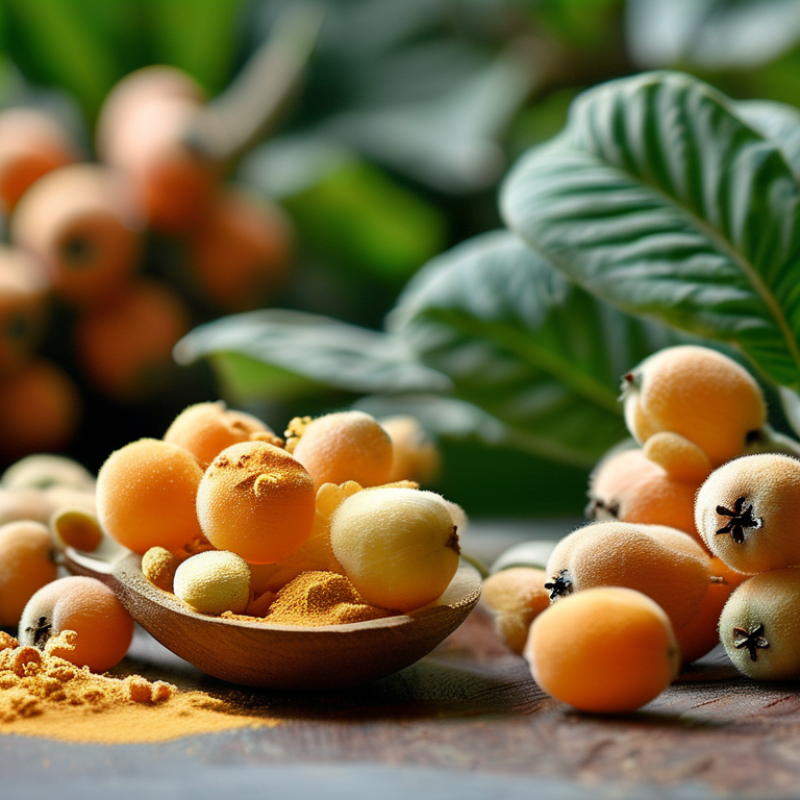
Loquat leaf extract is derived from Eriobotrya japonica leaves, a botanical material used in several global product categories. Its profile may include polyphenols, triterpenes, and other naturally occurring compounds. Applications include cosmetic formulations, botanical beverages, and research-oriented wellness products. However, composition changes with leaf maturity, drying temperature, extraction solvent, and storage time. The market is not perfectly standardized.
For global buyers, supplier evaluation should begin with botanical identity and traceability. Ask for the plant part, country of origin, extraction method, solvent residues, heavy-metal results, microbial limits, and marker-compound testing. A clear certificate of analysis matters, but it is not enough. Review batch consistency, stability data, packaging conditions, and production controls. Regulatory acceptance also varies by country. Avoid medical claims unless local authorities permit them and supporting evidence exists. One common mistake is trusting a polished specification sheet too quickly.
Tips: Request a recent sample and compare it with three production batches. Check the Latin name. Confirm whether testing uses validated methods. Discuss moisture, odor, color, and particle size before ordering. Keep written records of every change. Small details can affect formulation performance. One limitation remains: published research does not always reflect commercial extract quality. Buyers should therefore combine supplier documents, independent testing, and qualified regulatory advice before selecting a long-term source.
| Rank | Supplier Profile | Primary Sourcing Market | Common Product Form | Botanical Material | Key Naturally Occurring Compounds | Typical Global Applications | Quality Documentation Commonly Requested | Buyer Considerations |
|---|---|---|---|---|---|---|---|---|
| 1 | Bulk botanical-extract manufacturer | East Asia | Spray-dried powder; liquid extract | Eriobotrya japonica leaves | Ursolic acid, oleanolic acid, corosolic acid, chlorogenic acid | Dietary supplements, herbal formulations, cosmetic products, research | Certificate of analysis, specification sheet, safety data sheet, microbiological results | Confirm solvent system, extraction ratio, pesticide limits, heavy-metal limits, and lot traceability. |
| 2 | Traditional-herbal ingredient processor | China and surrounding East Asian markets | Cut leaf, granules, water extract, powder | Eriobotrya japonica leaves, often dried before processing | Triterpenic acids, flavonoids, phenolic acids, tannins | Traditional herbal preparations, tea blends, nutraceutical development | Botanical identification, moisture, ash, microbial testing, contaminant screening | Ask whether leaf hairs have been removed and whether the product is intended for food, cosmetic, or research use. |
| 3 | Standardized active-compound extract supplier | Japan and South Korea | Fine powder or concentrated liquid | Eriobotrya japonica leaves | Ursolic acid, oleanolic acid, corosolic acid, maslinic acid | Functional-food research, supplement formulation, analytical research | Marker-compound assay, chromatographic test method, stability data, batch COA | Request the analytical method and reference standard used for any stated marker-compound percentage. |
| 4 | Organic-oriented botanical supplier | Mediterranean Europe | Dried leaf powder; glycerin or water extract | Eriobotrya japonica leaves from cultivated orchards | Polyphenols, flavonoids, triterpenes, chlorogenic acid | Natural cosmetics, botanical blends, personal-care formulations | Organic-status evidence where applicable, allergen statement, SDS, contaminant report | Verify certification scope; an organic claim applies to the certified supply chain, not automatically to every extract. |
| 5 | Food-grade water-extraction supplier | Southeast Asia | Water extract; soluble powder | Eriobotrya japonica leaves | Phenolic acids, flavonoids, tannins, triterpenes | Beverage concepts, tea products, food-supplement prototypes | Food-safety statement, microbial results, residual-solvent statement, allergen declaration | Check solubility, color, taste, carrier ingredients, and compliance with the destination market's food rules. |
| 6 | Cosmetic-grade botanical ingredient supplier | Europe and North America | Water, glycerin, or propanediol extract | Eriobotrya japonica leaf | Polyphenols, flavonoids, triterpenic acids | Skin-care formulas, hair-care products, antioxidant-oriented cosmetics | INCI-related information, SDS, preservative details, microbial limits, safety assessment support | The finished cosmetic product must be assessed under the regulations of the intended sales market. |
| 7 | Research-grade phytochemical supplier | North America and Western Europe | Dry extract, fraction, or analytical reference material | Eriobotrya japonica leaves | Ursolic acid, oleanolic acid, chlorogenic acid, amygdalin may be investigated depending on the material and method | In-vitro studies, analytical testing, formulation screening, academic research | Purity data, chromatogram, test method, storage conditions, batch or lot number | Research material is not automatically suitable for human consumption or commercial food use. |
| 8 | Private-label supplement ingredient supplier | United States and Canada | Capsule-ready powder; blended extract | Eriobotrya japonica leaf extract | Triterpenes, flavonoids, phenolic compounds | Finished supplements, botanical combinations, contract manufacturing | GMP-related manufacturing records, COA, allergen statement, stability information | Review permitted claims, labeling requirements, dosage instructions, and adverse-event procedures before launch. |
| 9 | Traceable orchard-to-extract supplier | Australia and New Zealand | Dried leaves; low-temperature extract | Eriobotrya japonica leaves from cultivated trees | Phenolic compounds, flavonoids, triterpenic acids | Premium botanical products, cosmetics, research and development | Origin statement, harvest information, processing record, COA, pesticide and microbial testing | Confirm seasonal availability, harvest date, storage conditions, and export documentation. |
| 10 | Custom-extraction and contract-development supplier | Global manufacturing network | Customized powder, liquid, or carrier-based extract | Eriobotrya japonica leaves selected to buyer specification | Profile depends on cultivar, harvest stage, drying method, solvent, and concentration | New-product development, pilot production, supplements, cosmetics, laboratory work | Technical data sheet, development protocol, scale-up report, COA, stability and packaging information | Define target marker compounds, extraction solvent, carrier, particle size, shelf life, and minimum order quantity in the contract. |
Note: Supplier profiles are presented without company or brand names. Actual specifications, certifications, minimum order quantities, active-compound levels, and regulatory status vary by supplier, harvest, extraction process, and destination market. Loquat leaf extract should be evaluated with product-specific safety, quality, and regulatory documentation before commercial use.