Top Orthopaedic Electrical Stimulation Devices for Global Buyers?
The use of orthopaedic electrical stimulation devices is advancing rapidly in healthcare. These devices are designed to promote healing in bones and soft tissues. They utilize electrical currents to encourage cellular activity, helping patients recover faster from injuries.
Many global buyers seek effective solutions for rehabilitation. The market features various products, each with unique applications and efficiencies. However, choosing the right orthopaedic electrical stimulation device can be challenging. Factors such as device type, cost, and usability must be considered. Buyers should evaluate the quality and reliability of the devices available.
Expert insights show that not all devices are created equal. Some may not meet the expected standards of care. A thorough understanding of the technology behind orthopaedic electrical stimulation devices can guide buyers in making informed decisions. Emphasizing quality and effectiveness ensures better patient outcomes and investment returns.
Overview of Orthopaedic Electrical Stimulation Devices
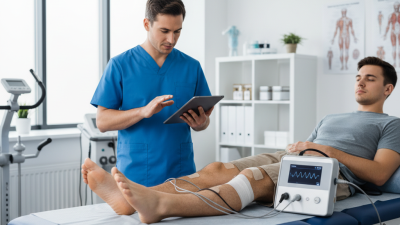
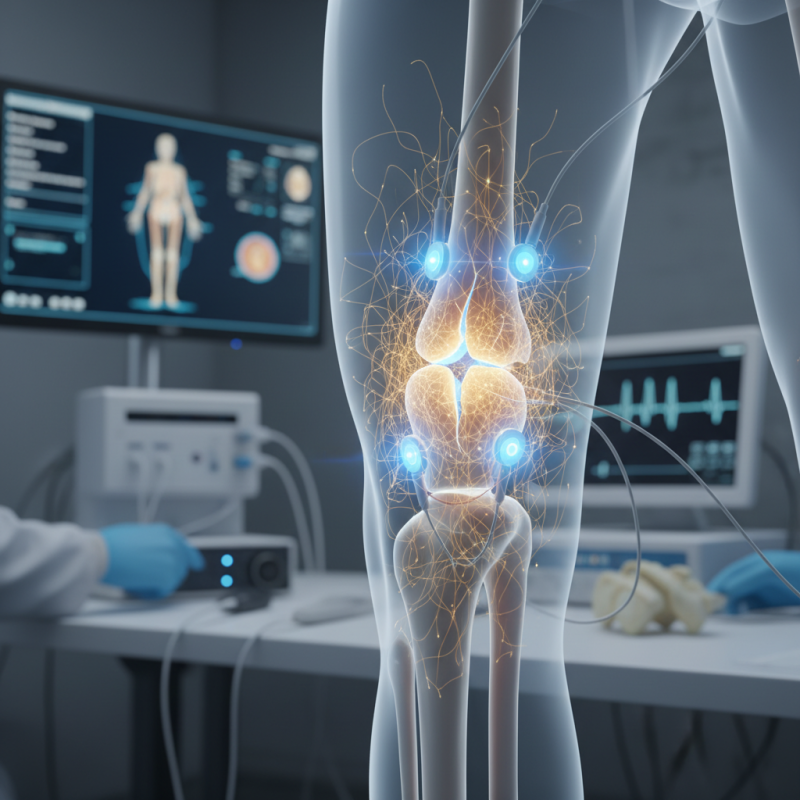
Orthopaedic electrical stimulation devices play a significant role in recovery and rehabilitation. These devices use low-level electrical currents to promote healing in bones and tissues. They are designed for various conditions, such as fractures and tendon repairs. The stimulation helps reduce pain, improve blood circulation, and accelerate healing processes.
There’s a range of devices available worldwide. Some are portable and user-friendly, allowing patients to use them conveniently at home. However, individual responses vary. What works well for one person may not be effective for another. This variability can be frustrating. The science behind these devices is still evolving, and more research is needed. Clinicians often need to adjust settings to suit individual patients. Continuous feedback is critical in this process.
While many people benefit from these devices, they are not a one-size-fits-all solution. Monitoring progress closely is crucial for optimal results. Users should consider consulting healthcare professionals to stay informed about usage and benefits. The complexity of each patient’s condition requires a tailored approach. It highlights the importance of ongoing education and adaptation in the use of such technologies.
Key Features to Consider When Choosing Devices
When selecting an orthopaedic electrical stimulation device, understanding the key features is crucial. One significant aspect is the type of stimulation. Devices vary between transcutaneous electrical nerve stimulation (TENS) and neuromuscular electrical stimulation (NMES). Each type addresses specific pain management and rehabilitation needs. A recent report by MarketsandMarkets states that the global market for these devices is expected to reach $2.5 billion by 2026, reflecting increasing demand for effective pain relief solutions.
Customization is another important feature. Many devices offer adjustable intensity levels and waveforms. This allows users to tailor the treatment to their individual conditions. A survey found that 75% of users prefer devices that allow for such customization. Comfort is key; devices should be lightweight and easy to wear for extended periods. User-friendly interfaces can also enhance adherence to treatment protocols.
Additionally, durability and battery life are essential considerations. Users want devices that can withstand daily use without frequent recharging. Data indicates that more than 60% of users value a battery life exceeding 20 hours. Reflecting on the challenges, not every device may meet these standards. Potential buyers should assess both user reviews and clinical recommendations thoroughly. This ensures an informed decision that aligns with their needs.
Top Orthopaedic Electrical Stimulation Devices for Global Buyers
| Device Type |
Key Features |
Indications |
Battery Life |
User Interface |
| Transcutaneous Electrical Nerve Stimulation (TENS) |
Pain relief, adjustable intensity |
Chronic pain, arthritis |
Up to 20 hours |
LCD display with programmable settings |
| Neuromuscular Electrical Stimulation (NMES) |
Muscle strengthening, rehabilitation |
Post-surgery, muscle atrophy |
Rechargeable, 15 hours |
Touch screen navigation |
| Bone Growth Stimulator |
Promotes bone healing, non-invasive |
Fractures, post-operative recovery |
30 days on a single charge |
User-friendly, simple controls |
| Iontophoresis Device |
Medication delivery, anti-inflammatory |
Injury treatment, tendonitis |
Battery lasts for 10 sessions |
Interactive app connection |
Popular Types of Orthopaedic Electrical Stimulation Devices
Orthopaedic electrical stimulation devices play a crucial role in recovery and rehabilitation. They are designed to promote healing in bones and soft tissues. Common types include neuromuscular electrical stimulation (NMES) and transcutaneous electrical nerve stimulation (TENS). NMES is often used to improve muscle strength, while TENS provides pain relief. According to recent market reports, the global orthopaedic electrical stimulation market is expected to reach USD 1.7 billion by 2026, growing at a CAGR of 5.2%.
Another popular type is the pulsed electromagnetic field (PEMF) therapy device. These devices enhance bone healing by increasing cellular activity. Studies suggest that PEMF therapy can significantly reduce recovery time post-surgery. There are variations in device intensity and treatment duration, making it essential for healthcare providers to customize the approach based on patient needs.
Despite the benefits, there are gaps in user education and device understanding. Some patients report uncertainty about the correct usage and timing, which can hinder recovery. Professionals emphasize the need for proper training and clear guidelines. Continuous research and development in this field could further improve the reliability and effectiveness of these devices.
Global Market Trends and Consumer Preferences
The global market for orthopaedic electrical stimulation devices is expanding rapidly. Research indicates a projected growth rate of over 8% between 2021 and 2027. This growth is driven by increasing awareness about non-invasive treatments for bone and joint issues. Many consumers now prefer solutions that reduce recovery times, enhance mobility, and minimize surgical risks.
An interesting trend is the rising interest in personalized therapies. Patients are looking for devices that can be adapted to their unique needs. Customization may offer better outcomes, which consumers find appealing. Also, the demand for user-friendly interfaces is on the rise. Devices with simple controls attract a larger audience, especially among older demographics.
**Tip:** When considering an electrical stimulation device, look for options that offer adjustable settings. This feature can enhance effectiveness depending on individual conditions.
Ultimately, consumers appreciate devices backed by strong clinical research. Studies highlight the efficacy of these treatments in speeding up recovery and improving pain management. However, it's essential to remain cautious about claims that seem too good to be true. Always seek devices supported by reliable studies and expert recommendations.
Top Orthopaedic Electrical Stimulation Devices - Market Trends
This chart illustrates the sales volume (in units) of the top orthopaedic electrical stimulation devices currently trending in the global market. Each device reflects the increasing consumer preference and changing market dynamics.
Future Innovations in Orthopaedic Electrical Stimulation Technology
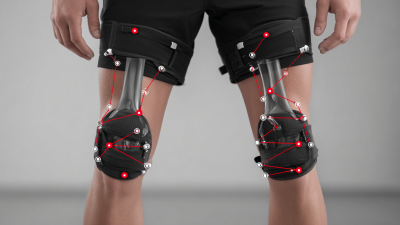
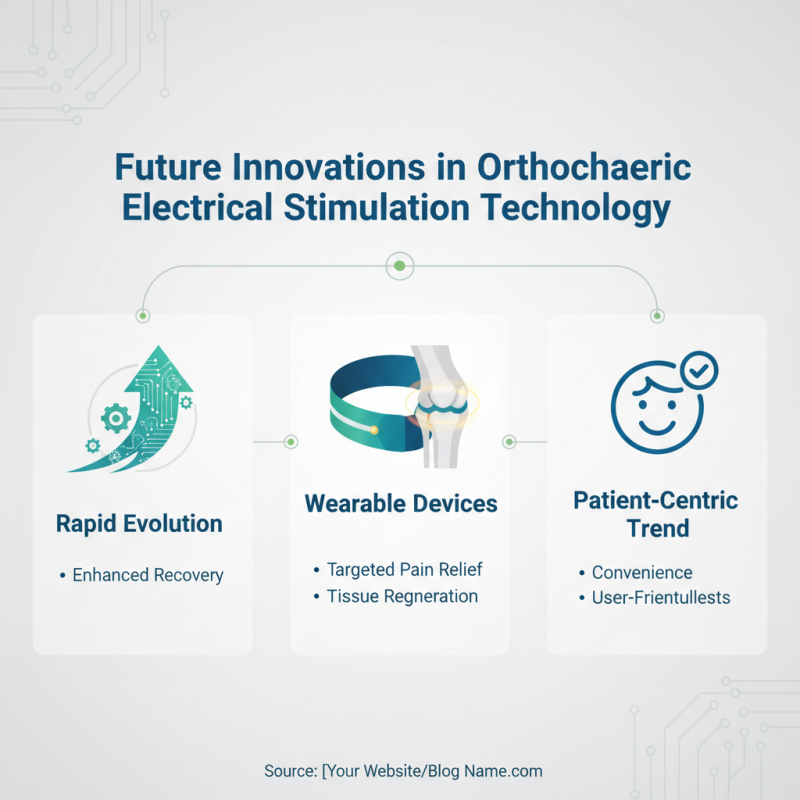
The landscape of orthopaedic electrical stimulation technology is evolving rapidly. Recent advancements aim to enhance recovery processes for patients with musculoskeletal injuries. Wearable devices, for instance, are becoming increasingly popular. They provide a targeted approach to pain relief and tissue regeneration. This trend emphasizes convenience and user-friendliness.
Innovations also include improved materials that ensure better conductivity and longevity. Smart technology integration allows for real-time monitoring of progress. Patients can track their recovery on mobile apps. Yet, some challenges persist. Not all patients find these technologies accessible. Cost can be a significant barrier, limiting widespread adoption. Furthermore, user compliance is vital for effectiveness, which poses another hurdle.
Research is ongoing to refine these devices. The aim is to blend traditional methodologies with modern technology. Collaboration among engineers, medical professionals, and patients is essential. This approach ensures that advancements truly meet the needs of those affected. As we look ahead, the potential for significant improvements in orthopaedic care is promising, yet we must remain vigilant about inclusivity and effectiveness.