Top 10 Types of Quality Herbs for Global Buyers

Global herb sourcing begins with a simple challenge: quality must remain visible across distance, climate, and handling. For buyers, “Quality Herbs” means more than bright color or a strong aroma. It includes correct botanical identity, clean cultivation, careful drying, and consistent batch performance.

This guide introduces ten herb types commonly considered by international purchasers, from fragrant culinary leaves to carefully processed roots, flowers, and seeds. Each category deserves a different inspection approach. Delicate leaves may lose aroma through excessive heat. Roots can retain moisture inside dense pieces. Seeds require attention to purity, oil content, and storage conditions. Small details matter.

Reliable buying depends on evidence, not attractive samples alone. Experienced teams compare specifications, review harvest and processing records, and request testing for microbiological safety, pesticide residues, heavy metals, and adulteration where relevant. They also check packaging, shelf-life data, lot coding, and traceability before approving a supplier. Regulations differ between markets, so buyers should confirm permitted uses and documentation with qualified local professionals.

No list is perfect. Natural variation remains. Weather changes color, fragrance, and yield, even within one growing region. A supplier may provide excellent material one season and need closer review the next. That reality makes practical judgment essential. The sections ahead offer a clear, evidence-based framework for comparing herb quality, asking better questions, and building dependable supply relationships without relying on claims that cannot be verified.
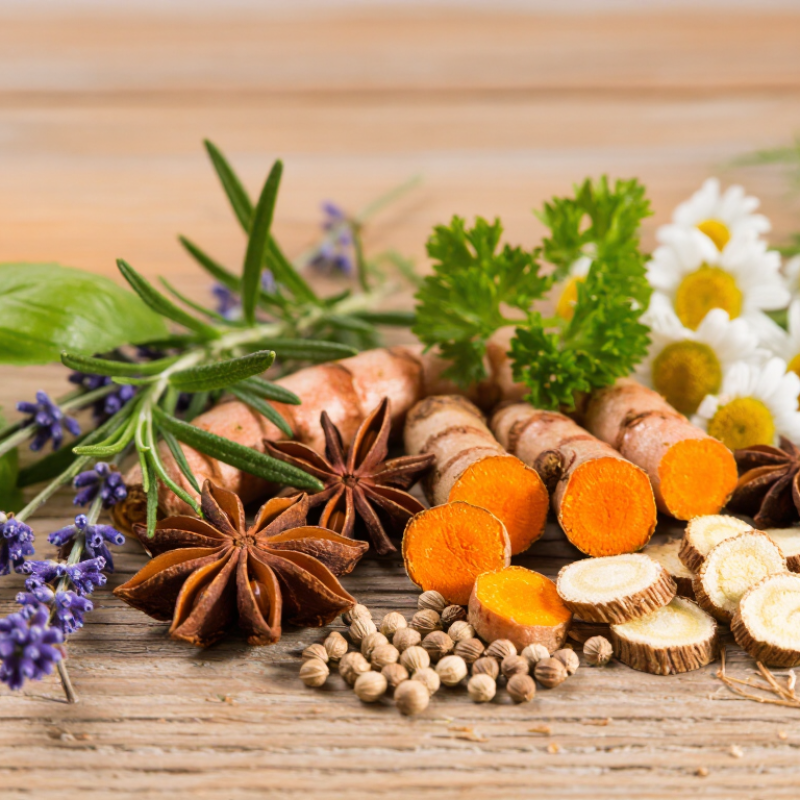
Top 10 Types of Quality Herbs for Global Buyers

What Defines Quality Herbs for International Trade

Quality herbs for international trade are defined by more than appearance. Basil, mint, oregano, rosemary, thyme, sage, chamomile, turmeric, ginger, and lavender each have different quality needs. Their identity must be confirmed through botanical names, plant parts, origin records, and clear harvest information.

In practical sourcing, moisture control is one of the first checks. Excess moisture can cause mold, clumping, or fading during long shipments. Clean aroma matters too. A sharp chemical smell may indicate poor handling or contamination. Reliable suppliers use testing for pesticides, heavy metals, microbes, and foreign materials. They also keep traceability records from farm to packed lot. Small details matter.

Packaging must protect herbs from light, air, humidity, and rough transport. Food-grade materials, sealed inner liners, lot codes, and readable labels support customs clearance and buyer confidence. Consistent particle size helps manufacturers process the material evenly. Yet visual quality can mislead. Bright color is not always proof of freshness, and a strong aroma may fade after storage.

I have seen specifications look perfect while storage records were incomplete. That weakness deserves attention, not excuses.

International buyers should review certificates, sampling methods, shelf-life data, and corrective-action procedures. Quality also depends on honest communication about seasonal variation. A dependable supplier admits uncertainty and explains it clearly. Perfection is uncommon. Traceable improvement is more valuable.

How Herbs Are Classified by Origin, Use, and Form

Top 10 Types of Quality Herbs for Global Buyers

How Herbs Are Classified by Origin, Use, and Form

Quality herbs are easier to compare when buyers examine three features: origin, intended use, and physical form. Origin may include cultivated farms, protected wild areas, or controlled greenhouse production. Each source affects flavor, color, aroma, and supply consistency.

Popular types include culinary leaves, aromatic seeds, flowering herbs, roots, bark, berries, and dried fruit pieces. Buyers may also select herbs for teas, food preparation, personal care, or traditional wellness products. Use determines acceptable moisture, cleanliness, particle size, and packaging requirements. Clear specifications prevent costly misunderstandings.

Form matters during transport and processing. Whole leaves often preserve visual quality, while cut herbs dissolve or blend more easily. Powders save space but need stronger controls against moisture and accidental mixing. Fresh herbs require cold handling. Dried herbs need stable humidity.

Ask for harvest dates and batch records. Check botanical identity through qualified testing. Review pesticide, heavy metal, microbial, and allergen requirements for the destination market. These controls support reliable sourcing, but documents alone cannot prove every detail. A physical sample still deserves careful inspection.

Color can fade naturally. That is not always a quality failure. However, an unusual odor, damp texture, or excessive dust deserves investigation. Classification is useful, yet it is not perfect. Regional names sometimes describe different plants. Careful buyers confirm the scientific name, plant part, grade, and form before placing an order.

Top 10 Types of Quality Herbs for Global Buyers - How Herbs Are Classified by Origin, Use, and Form

No. Herb Type Botanical Name Typical Origin Primary Use Category Common Commercial Form Key Quality Indicators Typical Buyer Applications
1 Basil Ocimum basilicum South and Southeast Asia; widely cultivated in the Mediterranean and other warm regions Culinary herb and seasoning Dried leaves, flakes, powder, fresh leaves, essential oil Bright green color, sweet clove-like aroma, clean flavor, low foreign matter, controlled moisture Sauces, soups, spice blends, seasonings, teas, and prepared foods
2 Peppermint Mentha × piperita Europe and the Middle East; cultivated widely in temperate regions Beverage, flavoring, and aromatic herb Dried leaves, cut leaves, powder, tea material, essential oil Fresh mint aroma, strong menthol character, green-to-greenish-brown color, low stem content Herbal teas, confectionery, oral-care products, beverages, and flavor systems
3 Rosemary Salvia rosmarinus Mediterranean region; now cultivated in many dry, temperate climates Culinary herb and botanical extract Whole or cut dried leaves, powder, extract, essential oil Strong pine-like aroma, aromatic oil content, uniform leaf size, minimal woody stems Meat seasonings, roasted foods, marinades, bakery products, and antioxidant extracts
4 Thyme Thymus vulgaris Southern Europe and the Mediterranean region Culinary seasoning and aromatic herb Dried leaves, rubbed herb, powder, extract, essential oil Distinctive earthy aroma, balanced savory flavor, low moisture, clean appearance, limited stems Soup mixes, poultry seasoning, sauces, ready meals, and herbal infusions
5 Oregano Origanum vulgare Europe and the Mediterranean; related oregano species are also native to western Asia Culinary seasoning Dried leaves, rubbed oregano, flakes, powder, essential oil Strong herbaceous aroma, warm peppery taste, good green color, low foreign material Pizza toppings, tomato sauces, spice blends, marinades, and processed foods
6 Sage Salvia officinalis Mediterranean region Culinary herb and traditional botanical ingredient Whole dried leaves, rubbed herb, powder, extract, essential oil Gray-green leaves, pronounced earthy aroma, clean flavor, uniform particle size, controlled moisture Stuffing mixes, sausages, poultry products, sauces, teas, and botanical formulations
7 Chamomile Matricaria chamomilla / Chamaemelum nobile Europe and western Asia; cultivated in many temperate regions Herbal infusion and botanical ingredient Dried flower heads, cut flowers, powder, tea bags, extract Bright flower heads, pleasant apple-like aroma, low stem content, clean infusion color, low moisture Herbal teas, wellness beverages, personal-care products, and botanical extracts
8 Turmeric Curcuma longa South Asia, especially the Indian subcontinent; cultivated throughout tropical Asia Spice, natural color, and botanical extract Dried fingers, slices, powder, oleoresin, standardized extract Deep yellow-orange color, characteristic earthy aroma, defined curcuminoid content where specified, low adulteration risk Curry blends, food coloring, beverages, supplements, sauces, and functional foods
9 Ginger Zingiber officinale Maritime Southeast Asia; cultivated widely in tropical and subtropical regions Spice, beverage ingredient, and botanical extract Fresh rhizome, dried slices, powder, juice, oleoresin, extract Fresh pungent aroma, warm spicy flavor, clean pale-yellow interior, low mold risk, consistent gingerol profile where tested Beverages, confectionery, sauces, bakery products, seasoning blends, and supplements
10 Lemongrass Cymbopogon citratus South and Southeast Asia; cultivated in tropical and subtropical regions Culinary herb, beverage ingredient, and aromatic botanical Fresh stalks, dried cut leaves, powder, tea material, essential oil Fresh lemon aroma, pale green to straw color, low woody material, clean taste, consistent citral content where specified Asian foods, herbal teas, sauces, ready meals, beverages, and fragrance formulations

Quality specifications may vary by destination market, product form, and end use. Buyers commonly verify botanical identity, moisture, foreign matter, microbiological safety, pesticide residues, heavy metals, and relevant active-compound specifications.

Top Quality Culinary Herbs Sought by Global Buyers

Top quality culinary herbs sought by global buyers are basil, oregano, thyme, rosemary, sage, parsley, mint, dill, coriander leaf, and chives. Demand differs by cuisine, season, and processing format. CBI’s 2024 European market analysis, based on Eurostat data, reports more than one million tonnes of spice and herb imports in 2022. That scale makes consistency essential. Buyers usually check botanical identity, moisture, volatile oil content, microbiological safety, pesticide compliance, and traceability.

Fresh basil should show crisp green leaves and a clean, sweet aroma. Dried oregano needs strong fragrance, limited stems, and stable color. Rosemary and thyme should remain intact after drying, not turn into dusty fragments. Parsley, mint, dill, and coriander require careful drying because heat can weaken their aroma. Sage and chives need uniform cutting. ISO 6579-1 testing supports Salmonella control, while ISO 21527 methods help assess yeast and mold in dried products. These checks are practical, not decorative.

Appearance can mislead. A bright leaf may have weak flavor. I would not accept color alone as proof of quality. The International Trade Centre’s Trade Map data also shows broad cross-border trade under HS 0910, but customs categories combine several products. That makes direct comparisons imperfect. Experienced buyers therefore request harvest dates, origin records, laboratory reports, and sample approval before signing contracts. Small details matter. A sealed pouch, dry carton, and clear lot code can protect aroma during long shipment.

Top Quality Medicinal and Aromatic Herbs in World Markets

Global buyers seek medicinal and aromatic herbs with clear identity, stable quality, and practical documentation. Popular choices include chamomile, peppermint, rosemary, thyme, sage, lavender, calendula, ginger, turmeric, and hibiscus. Each herb offers distinct aromas, colors, textures, and traditional uses. Quality depends on more than appearance. Buyers should check botanical names, plant parts, harvest dates, moisture levels, and storage conditions. Traditional use does not guarantee medical results, so product descriptions must remain accurate and responsible.

In practice, a bright color can mislead. Fresh-looking leaves may still contain excess moisture or microbial contamination. Reliable suppliers usually provide testing for pesticides, heavy metals, microbes, and botanical authenticity. Traceability should connect each batch to its growing area and processing record. Samples should be evaluated for aroma, taste, foreign material, and packaging integrity. One laboratory report is useful, but it cannot replace regular checks. I have found that small details, such as damaged seals or unclear labels, often reveal larger supply problems.

Tips: Request a recent sample before placing a large order. Compare the sample with the specification sheet. Confirm whether herbs are whole, cut, dried, or powdered. Store dried herbs in cool, dry conditions away from sunlight. Ask questions when information seems incomplete. That hesitation can prevent costly mistakes.

Top 10 Types of Quality Herbs for Global Buyers

Top-quality medicinal and aromatic herbs commonly traded in world markets, compared by representative essential-oil yield in dried herbal material.

Essential-oil yield varies with cultivar, growing region, harvest stage, drying conditions, and extraction method. The values shown are representative midpoint benchmarks based on commonly reported commercial ranges and are intended for market education rather than product specification.

How Global Buyers Evaluate, Source, and Verify Herbs

Global buyers assess herbs by risk, not appearance alone. WHO’s Global Report on Traditional and Complementary Medicine 2019 found that 170 of 194 member states reported using traditional medicine. Demand is broad, but quality systems remain uneven. Buyers should identify the herb type, plant part, origin, harvest season, and intended use. Leaves, roots, flowers, seeds, and bark require different drying and storage controls.

Traceability starts at the farm. A reliable supplier should provide lot codes, harvest records, drying temperatures, and transport conditions. WHO’s Good Agricultural and Collection Practices guidelines recommend controlling soil, water, collection methods, and post-harvest handling. Ask for accredited laboratory results, not general assurances. Tests should cover identity, moisture, microbial limits, heavy metals, pesticide residues, and possible adulterants. DNA testing can help, but it should not replace botanical inspection or chemical analysis.

Verification needs repetition. Review certificates against the exact production site and batch. ISO 22000-based food safety systems can support this process, although certification alone proves little about every shipment. I have seen attractive herbs fail because moisture readings were taken from the surface only. That detail matters. Buyers should retain sealed samples and compare results independently. Mistakes still happen. Supplier questionnaires can become paperwork without field audits, so risk-based visits remain necessary. The strongest purchasing decision combines documents, laboratory evidence, sensory checks, and a clear recall procedure.